TECHNICAL ADVANTAGES
ENGINEERING SERVICE BENEFITS
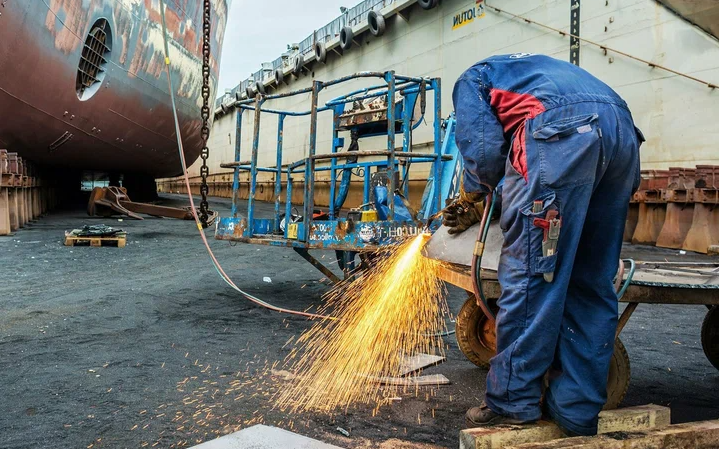
ENGINEERING EXPERTISE
Engineering expertise ensures proper repairs through qualified marine engineers, certified technicians, and specialized technical knowledge addressing complex marine systems, structural engineering, and maritime technology preventing improper repairs and ensuring compliance through professional marine engineering competence.
Expertise includes structural engineering, marine systems, regulatory compliance, and technical standards knowledge.
FACILITY CAPABILITIES
Facility capabilities provide comprehensive repair infrastructure through specialized marine equipment, lifting apparatus, fabrication facilities, and testing equipment enabling complex repairs, structural modifications, and technical installations impossible at standard facilities supporting complete marine technical services.
Capabilities include dry dock facilities, machine shops, welding equipment, and testing laboratories.
REGULATORY COMPLIANCE
Regulatory compliance ensures repairs meet maritime regulations, classification requirements, and industry standards through thorough knowledge of regulatory frameworks, inspection protocols, and certification procedures maintaining vessel certifications and regulatory standing through compliant repair practices.
Compliance includes classification society standards, maritime regulations, and safety requirements.
DIAGNOSTIC TECHNOLOGY
Diagnostic technology enables accurate problem identification through advanced testing equipment, non-destructive testing methods, and diagnostic instruments providing precise failure analysis, condition assessment, and performance evaluation supporting accurate repair decisions and preventing misdiagnosis.
Technology includes ultrasonic testing, thermal imaging, vibration analysis, and system diagnostics.
PROJECT MANAGEMENT
Project management coordinates complex repairs through systematic planning, resource allocation, schedule management, and quality control ensuring repairs proceed efficiently meeting timelines, budgets, and specifications through professional project coordination minimizing vessel downtime and operational disruption.
Management includes planning, scheduling, coordination, progress tracking, and stakeholder communication.
QUALITY SYSTEMS
Quality systems ensure repair excellence through documented procedures, inspection protocols, testing requirements, and quality verification maintaining consistent quality standards throughout repair processes supporting vessel reliability and operator confidence through systematic quality assurance methodologies.
Systems include quality procedures, inspection plans, testing protocols, and documentation requirements.